
Pilates Roll Down Can Help with Writing? Really? Part III • ピラティス・ロールダウン - 第3部
Dec 16, 2025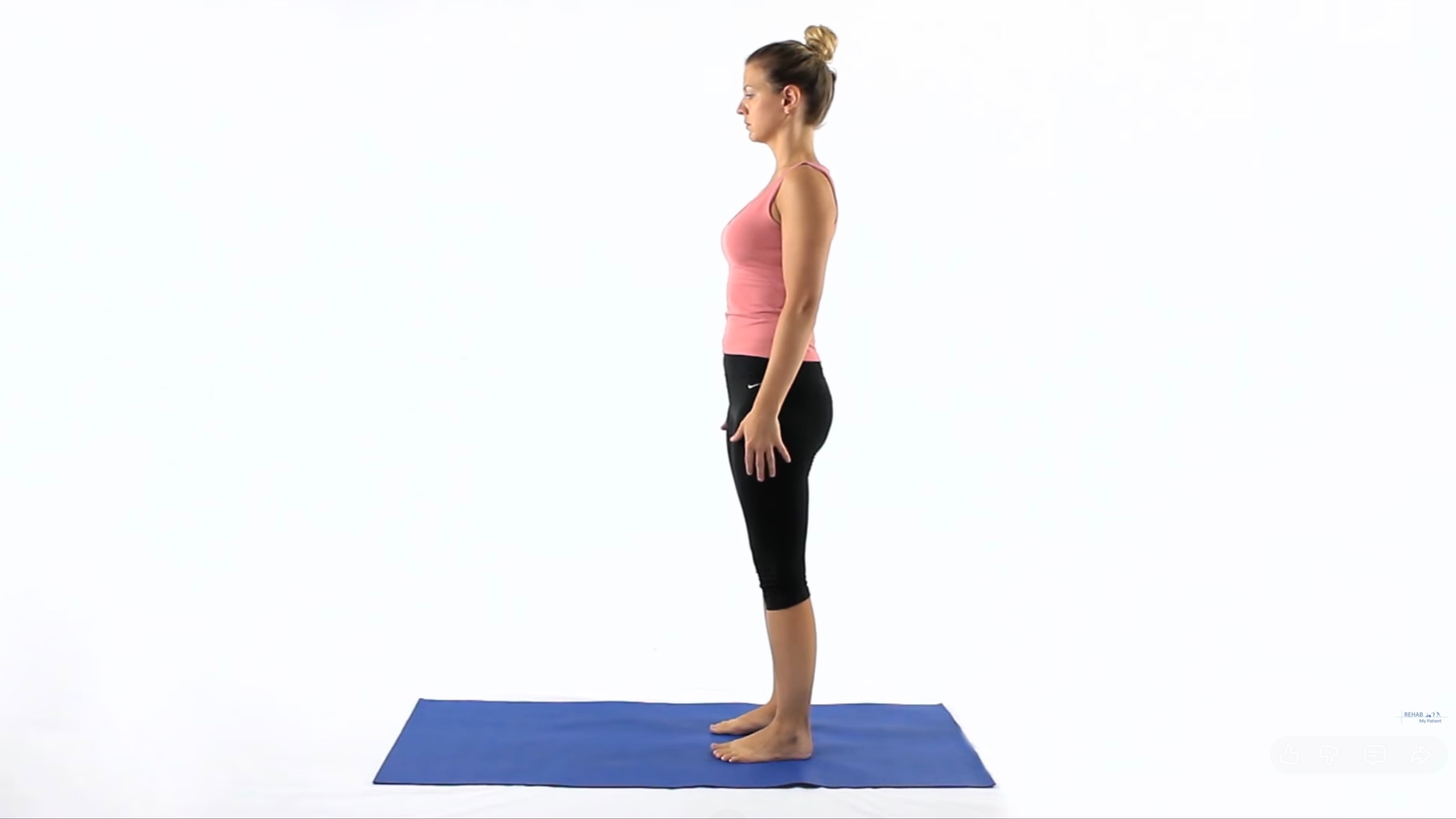
Yesterday life served me a lesson about Pilates Roll Down – while giving an Alexander lesson!
▶ Watch the short video: Pilates Spinal Flexion – Roll Down #
I am in Korea at the moment, working with trainees at Kay Kim’s BodyChance-like school in Seoul. They do a lot of chair and tablework there. My directive is to introduce activity-based teaching. For my Pilates readers, this means working with people doing anything they want to do. If you’ve spent your Alexander teaching career mostly taking people in and out of chairs – as the old Master himself did – then opening the door to almost anything your student wants to pursue can, to say the least, be a little risky…
“I get a headache every time I talk to my mother on the phone.”
“I am frightened when I get into the elevator – I always use the stairs.”
“My boss yells at me. What can I do?”
Yes, these are all activity-based requests I received in the past. I used Alexander's discoveries to help each person, and it worked well each time. So when my Korean student Olivia asked me,
“I tighten my arm every time I write,” I was pretty relaxed about it.
I watched her do it and – if you take time to watch anyone writing – you will notice our famous Cow Joints (C7|T1)* getting involved far earlier than necessary. As Olivia’s pen went down to paper, so did Cow Joints go down towards her pen, but way too early – it wasn’t necessary yet. Which, I suddenly realised, is exactly what happens in Pilates Roll Down! I was inspired…
“Let’s start with the tilt of your head – first look towards the horizon.”
If you want to change the orientation of the spine at the Cow Joints, it’s never a good idea to talk directly about that area unless giving your Self a stiff neck is your aim. One of the key functions at this Cow junction between neck and chest is to offer support to vision. Watch the first few seconds of this video…
https://www.youtube.com/watch?v=THA_5cqAfCQ&list=WL&index=28
Now watch it again, taking particular care to note what is happening at the Cheetah’s Cow Joints… You can see how this joint is allowing the motion of the lower spine to occur while not disrupting the direction of the eyes on his prey. Without the head’s mobility available at this joint, it could not have happened like this. Humans are subject to the same fundamental organisation – we are wired this way too.
I couldn’t find a lot of research, but there is evidence** that gaze direction modulates cervical muscle activation during neck movements—i.e. eye position isn’t just a passive output; it helps shape cervical motor control. And that is the way you leverage your Cow Joints to change their orientation…
“Look up Olivia, gaze towards the horizon!”
…and immediately her Cow Joint ceased dropping down, stimulating deep-wired lengthening along her spine without any direct intention to realign it. This is important information for Pilates practitioners: direct instructions to change postural organisation in a specific location will often backfire. Instead of gaining improvement, you deoptimise postural organisation, leaving your Self open to excessive and inappropriate muscle recruitment leading to discomfort, stiffness and, in the longer term, even pain.
Hoving restored lengthening along her spine, it was time for Pilates Roll Down with Olivia, leading the movement with her eyes. Yes eyes folks, start thinking about them more.*** She performed beautifully, and began to write again…
“How was that?” I asked.
Olivia didn’t look too happy.
“Well, much less pressure up here” – she said, indicating her head/neck area - “but I’m still very tense in my arm.”
Who said a 1% change at the head/neck region will cascade to change the whole system?
Wait.
I think I did.
Oh dear – sadly, it’s never that simple. And next, I will show you why.
Stay tuned.
# In this YouTube video of Roll Down, you will notice the first movement is at C7, followed by C1/2.
*C1|T1 is the junction between the last of the cervical vertebrae (neck) and the first of the thoracic vertebrae (chest), marking an area of significant mobility in most mammals, with dramatic changes in the direction of the articular facets.
** Bexander, Mellor and Hodges (2005) showed that simply changing the direction of gaze alters neck muscle recruitment during cervical rotation, highlighting a tight functional coupling between where we look and how the neck organises itself. https://pubmed.ncbi.nlm.nih.gov/16193272/
*** Thanks to my BodyChance’s BodyThinking Director, Kimiko Serizawa (1948~2024) who first alerted me to this constructive relationship between eyes/vision and natural lengthening.
*** JAPANESE ***
ピラティス・ロールダウンは書くことにも役立つ?本当に?パートIII
昨日、私はアレクサンダー・レッスンをしている最中に、Pilates Roll Down についての大きな学びを人生から与えられました。
私は今、韓国にいて、ソウルにある Kay Kim の BodyChance に似たスクールでトレーニーたちと仕事をしています。そこでは椅子やテーブルを使ったワークが多く行われています。私の役割は、そこにアクティビティ・ベースの指導を導入することです。ピラティス読者の皆さん向けに言えば、これは「人がやりたいことなら何であれ、それを素材にして一緒に取り組む」という意味です。もしあなたが、アレクサンダー教師としてのキャリアの大半を、椅子から立たせ、また座らせることに費やしてきたとしたら――あの“偉大なる師”自身がそうであったように――生徒がやりたいことならほとんど何でもOK、という扉を開くのは、控えめに言っても、少々リスキーです……
「母と電話で話すたびに頭痛がします。」
「エレベーターに乗ると怖くて、いつも階段を使います。」
「上司が怒鳴るんです。どうしたらいいでしょう?」
はい。これらはすべて、私が過去に受けてきたアクティビティ・ベースのリクエストです。私はアレクサンダーの発見を用いて一人ひとりを助けてきましたが、毎回うまくいきました。ですから、韓国人の生徒オリビアがこう尋ねてきたときも、
「書くたびに、腕が緊張してしまうんです」
私はかなり落ち着いて受け止めていました。
彼女が実際に書く様子を観察してみると――そして、誰かが書いているところを注意深く見てみればわかりますが――私たちおなじみの Cow Joints(C7|T1)* が、必要以上に早い段階から関与しているのが見えてきます。オリビアのペンが紙に向かって下りていくのと同時に、Cow Joints もまたペンの方向へと下がっていきます。しかし、それは明らかに早すぎました――その時点では、まだ必要なかったのです。その瞬間、私は気づきました。これこそが、Pilates Roll Down で起きていることとまったく同じだ、と。私はひらめきました……
「まずは、頭の傾きから始めよう。最初に、地平線を見るように。」
Cow Joints における脊柱の向きを変えたいのであれば、その部分について直接あれこれ言うのは、決して良い考えではありません――よほど自分の Self に頑固な首を与えたいのでなければ。首と胸の境目にあるこの Cow ジャンクションの重要な機能のひとつは、視覚を支えることにあります。この動画の最初の数秒を見てください……
https://www.youtube.com/watch?v=THA_5cqAfCQ&list=WL&index=28
次にもう一度見て、チーターの Cow Joints で何が起きているかに、特に注意を向けてください……この関節が、目線を獲物に向けたまま保ちながら、下位脊柱の動きを可能にしている様子がわかるはずです。この関節で頭部の可動性が使えなければ、このような動きは起こりえません。人間も同じ基本的な組織構造に従っています――私たちも、このように配線されているのです。
多くの研究は見つけられませんでしたが、視線の方向が頸部の筋活動を調整するというエビデンス**は存在します。つまり、目の位置は単なる受動的な出力ではなく、頸部の運動制御のあり方そのものを形づくるのです。そして、これこそが Cow Joints の向きを変えるための“使い方”なのです……
「オリビア、上を見て。地平線を見るように!」
……すると即座に、彼女の Cow Joint は下に落ちるのをやめ、脊柱全体に、直接“整えよう”という意図なしに、深く配線された伸びやかさが引き出されました。これはピラティス実践者にとって重要な情報です。姿勢組織を特定の場所で直接変えようとする指示は、しばしば裏目に出ます。改善が起きるどころか、姿勢組織を脱最適化し、不必要で過剰な筋活動を招き、結果として不快感、硬さ、さらには長期的には痛みへとつながる可能性があるのです。
脊柱に沿った伸びやかさが回復したところで、今度はオリビアと一緒に Pilates Roll Down を行いました。動きは目から導きます。そう、目ですよ、皆さん――もっと意識してください。*** 彼女はとても美しく動き、その後、再び書き始めました……
「どうだった?」と私は尋ねました。
オリビアは、あまり満足そうではありませんでした。
「ここは、ずいぶん楽です」――そう言って、彼女は頭/首のあたりを指しました――「でも、腕はまだすごく緊張しています。」
頭/首の 1%の変化が、全体をカスケード的に変えると言ったのは誰でしたっけ?
……待って。
たぶん、私ですね。
ああ――残念ながら、物事はそんなに単純ではありません。そして次に、その理由をお見せします。
乞うご期待。
***
# このロールダウンの YouTube 動画では、最初の動きが C7 に現れ、その後に C1/2 が続くのがわかります。
* C7|T1 は、頸椎(首)の最後の椎骨と、胸椎(胸)の最初の椎骨の境目であり、多くの哺乳類において可動性の高い重要な領域です。ここでは関節面の向きが劇的に変化します。
** Bexander, Mellor, Hodges(2005)は、視線の方向を変えるだけで、頸部回旋時の首の筋活動が変化することを示しました。これは、どこを見るかと、首がどのように組織化されるかの間に、強い機能的結びつきがあることを示しています。https://pubmed.ncbi.nlm.nih.gov/16193272/
*** BodyChance の BodyThinking ディレクターであった 芹沢紀美子(1948〜2024)が、目/視覚と自然な伸びやかさとの建設的な関係に、最初に気づかせてくれました。
Join Jeremy's (sometimes) Daily
Where I write about anything related to Alexander's discovery
(aka Alexander Technique).